A cheap overnight rate can make charging an electric car far more affordable, but the headline price is only one part of the decision. A useful EV charging tariff comparison looks at when you charge, how much electricity your whole home uses, and whether a home battery can turn low-cost overnight power into lower daytime household bills too.
For many UK households, an EV changes electricity use more than expected. A typical car can add thousands of kilowatt-hours to annual demand. Choosing a tariff that suits that new pattern can reduce the cost per mile, while the right battery setup can help your home make better use of the same lower-priced electricity.
What to compare on an EV charging tariff
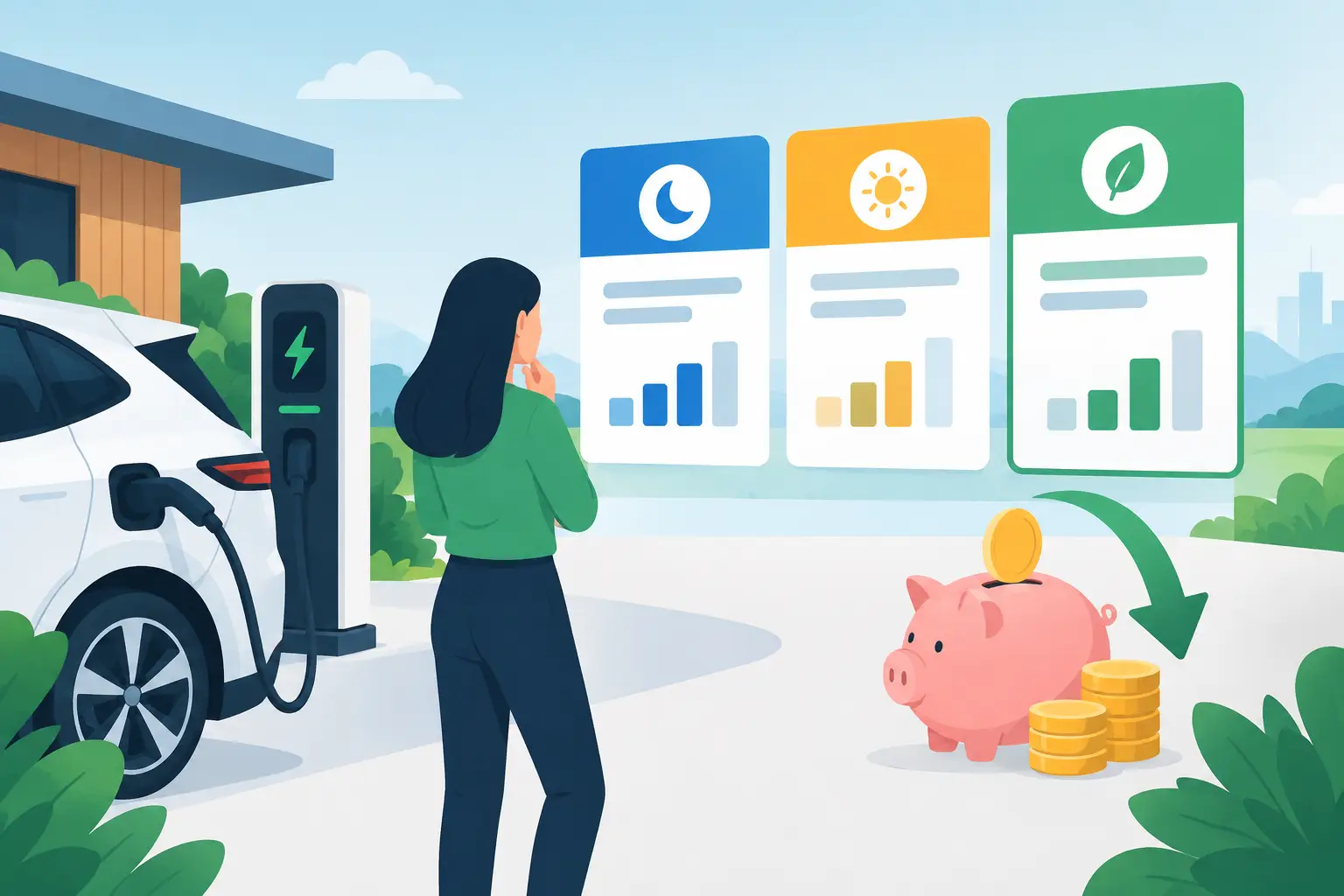
EV tariffs are usually time-of-use tariffs. Instead of paying one unit rate throughout the day, you receive a lower rate during a set off-peak window, often overnight. In return, daytime electricity may cost more than it would on a standard single-rate tariff.
That trade-off is worthwhile when most of your EV charging happens in the cheaper window. It is less compelling if you regularly plug in during the day, have no way to schedule charging, or use substantial electricity at peak times without a plan for managing it.
Start with the off-peak unit rate, but do not stop there. Compare the daytime unit rate and standing charge as well. The standing charge is paid every day regardless of how much power you use, so it matters particularly for homes with lower overall consumption. Check the exact cheap period too. A four-hour window may be sufficient for some drivers, while a longer window offers more flexibility for charging a larger battery, running appliances or charging a home battery.
You should also establish whether the supplier requires a compatible smart meter, an approved charger, or particular charging data access. These requirements are not necessarily a problem, but they should be clear before you switch.
EV charging tariff comparison: look beyond pence per kWh
A tariff with the lowest overnight price is not automatically the cheapest tariff for your household. The right choice depends on the balance between your overnight and daytime use.
Imagine two households that both own an EV. The first works from home, cooks in the evening and uses plenty of electricity between 4 pm and 9 pm. The second is out most weekdays and uses relatively little power until the car is plugged in overnight. The same EV tariff could produce very different bills for these households.
Use recent electricity bills to estimate your normal household usage before adding the EV. Then estimate the car’s monthly charging requirement. Your vehicle or charger app may show this directly. If not, multiplying the miles you drive by the car’s typical energy consumption gives a sensible starting point. Allow for some charging losses, as electricity drawn from the grid will be slightly higher than the energy that reaches the vehicle battery.
The comparison below shows the key question: can you move enough demand into the lower-cost period to offset any higher daytime rate?
“`text ELECTRIC CAR EV TARIFF COMPARISON
Tariff type Overnight charging Daytime household use
Single-rate tariff Same unit price Same unit price for the EV at all times Simple, but no off-peak benefit
EV time-of-use tariff Lower-rate window Higher-rate periods may apply Schedule EV charging Best when charging is overnight
EV tariff + home battery Lower-rate window Stored low-cost electricity can Charge EV and battery help cover selected daytime use
Aim: shift suitable electricity use overnight to reduce household bills “`
The figures will vary by supplier, region and tariff version, so use current published rates rather than relying on an example from last year. Tariffs can change, and a plan that suited your previous driving routine may not suit a new job, a new vehicle or a changed household schedule.
How a home battery can improve the calculation
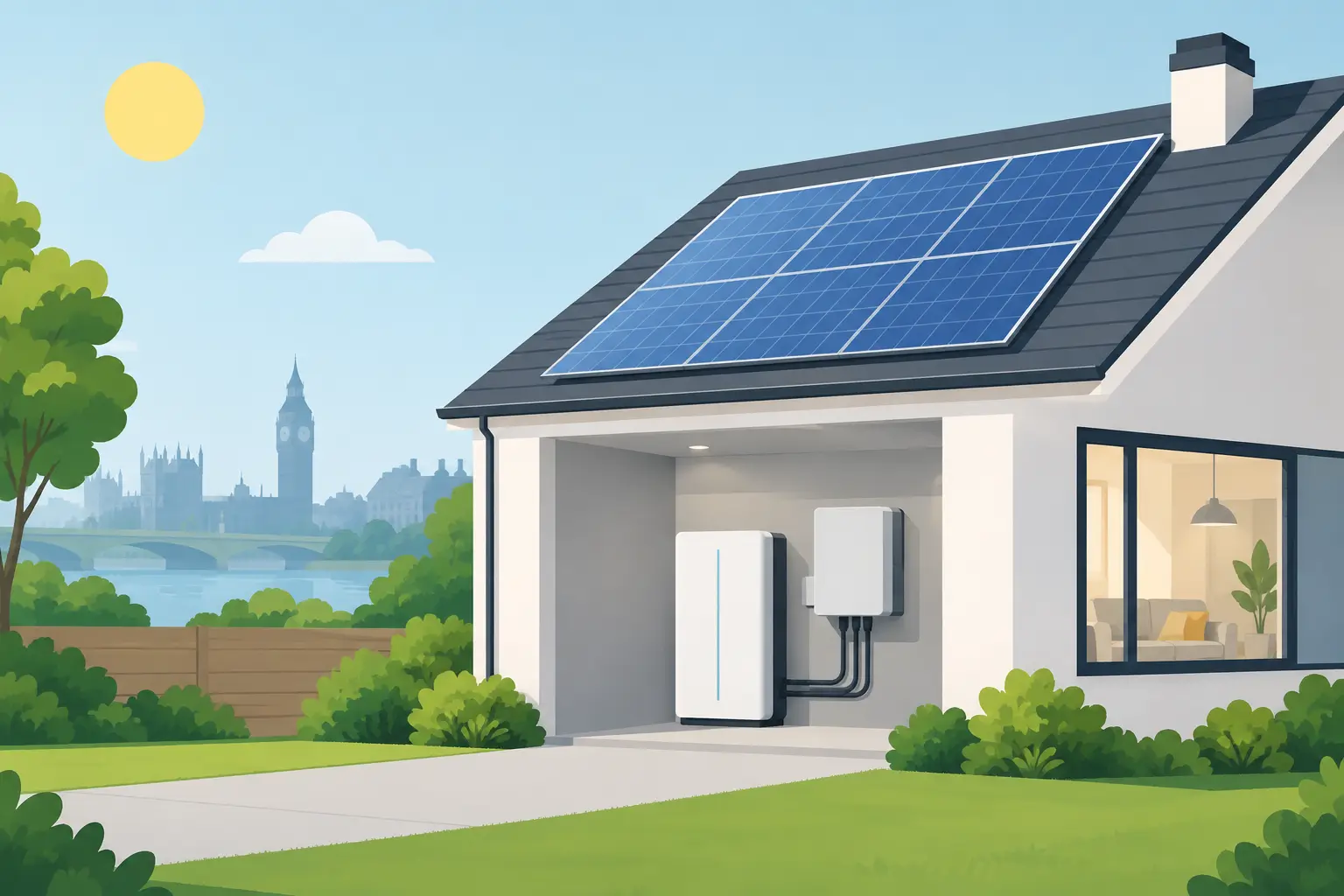
An EV tariff is designed around overnight charging, but your car may not need the full low-cost window every night. A home battery can store lower-cost grid electricity during that period and release it later when electricity costs more. This can help reduce the cost of ordinary household consumption such as cooking, lighting, entertainment and appliances in the evening.
The benefit is not that a battery makes electricity free. It is that it can help you buy more of your electricity when the tariff is cheaper and rely less on higher-priced electricity later. This is particularly relevant for homes with an EV because they already have a reason to consider a time-of-use tariff.
There is an important practical point: the EV and home battery may both be drawing power overnight. Your electrical supply, charger setting and battery controls need to be considered together. A qualified installer can assess the property and configure the system so charging is managed safely and sensibly. In some homes, it may be preferable to prioritise the car on nights when a longer journey is planned. On other nights, the home battery may have more opportunity to charge.
A grid-charged home battery does not require panels on the roof. That can make it a practical option for homeowners who want tariff-based savings without changing the outside of their property or taking on a larger installation project.
A practical way to test whether a tariff suits you
Before switching, write down the hours when your car is normally at home and plugged in. This matters more than the brochure claim that a tariff is made for EV drivers. If the cheap window runs from midnight until early morning but you need the car ready before that window ends, make sure your charger can deliver the required energy in time.
Next, check whether your charger has scheduling controls. Smart charging allows you to plug in when you arrive home while setting the car to begin charging only when the lower rate starts. Without scheduling, it is easy to accidentally charge at a more expensive time.
Then review daytime consumption. Look for regular high-use periods such as breakfast, evening meals, laundry or electric heating. A home battery may help shift some of that demand away from expensive periods, but its value depends on its capacity, the tariff gap between low and high rates, and how your household actually uses electricity.
Finally, compare bills over a full year rather than one mild month. Winter consumption, school holidays, longer drives and changing work patterns all affect the result. A transparent calculation should show assumptions clearly, including estimated EV charging, household use, tariff rates, battery losses and standing charges.
Questions homeowners often ask
Will an EV tariff always reduce my bill?
Not always. It usually reduces the cost of charging if you can charge reliably in the off-peak window. However, a higher daytime rate can increase other household costs. The best outcome comes from matching the tariff to your habits and, where appropriate, using a battery to move suitable household demand away from peak pricing.
Can I charge the car and a home battery at the same time?
Often, yes, but the system must be designed around your property’s supply and your charging needs. Controls and schedules are useful because they prevent unnecessary demand and help ensure the vehicle is ready when required.
Is a longer off-peak window always better?
It offers flexibility, but price still matters. A longer window with a less attractive unit rate may not beat a shorter, cheaper period. Compare the whole tariff, including the daytime rate and standing charge.
Do I need to understand energy technology to make this work?
No. You need clear tariff information, a realistic view of your usage and properly specified equipment. Volt Wiser Energy focuses on explaining those decisions in plain English, with qualified installation and UK-engineered battery technology designed for dependable long-term use.
The most useful tariff is the one that fits your real routine, not the one with the most attractive headline rate. Set the car to charge when electricity is cheaper, check what happens to the rest of your household bill, and use storage only where it creates a clear, measurable advantage.