If you are looking at battery storage mainly to cut electricity bills, one question matters more than most: can you charge a home battery from the grid? The short answer is yes. In fact, for many UK households, grid charging is the whole point. A domestic battery can be charged overnight when electricity is cheaper, then used during the day when unit rates are higher.
That matters because many homeowners assume battery storage only makes sense alongside roof panels. It does not. If your home is connected to the UK electricity network and you are on the right tariff, a battery can work as a standalone way to manage when you buy power, not just how much you use.
Can you charge a home battery from the grid in the UK?
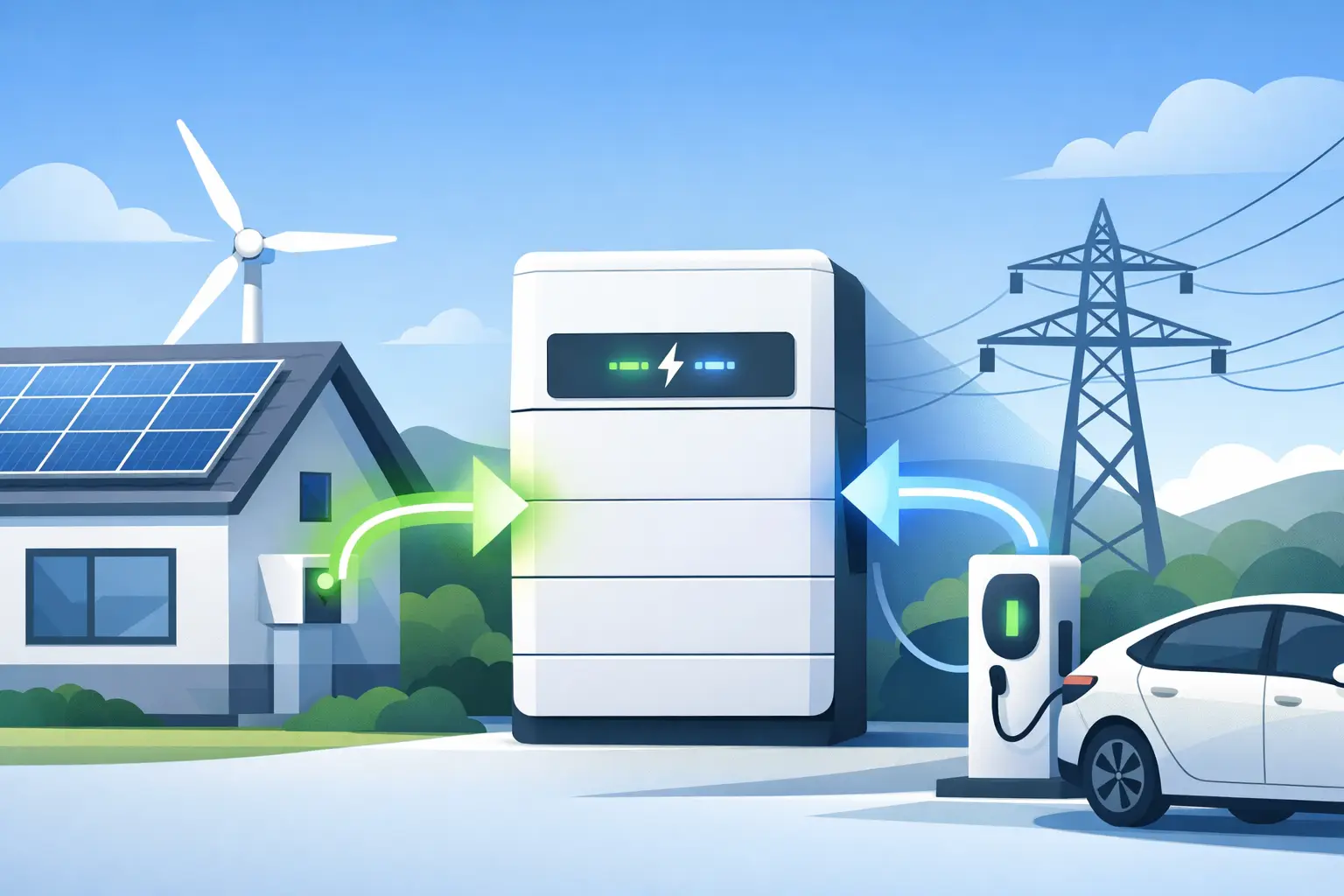
Yes, you can, provided the battery system and tariff setup are designed for it. A grid-charged battery stores electricity imported from the mains, usually during off-peak hours. The system then supplies that stored energy back into your home later, helping you avoid more expensive peak-rate electricity.
This is not a workaround or a niche arrangement. It is a practical and increasingly common use of domestic battery storage in the UK, especially as time-of-use tariffs become more popular. Homes on tariffs such as Economy 7 or other lower overnight rate plans are often well placed to benefit.
The key point is simple: a battery does not care whether the electricity comes from the roof or the grid. What matters is when that electricity is bought, how much it costs, and whether the savings over time justify the system.
How grid charging actually works
A home battery system is connected to your property’s electrical supply and managed by an inverter and control software. During cheaper tariff periods, usually overnight, the battery charges from the grid. When prices rise later in the day, the battery discharges to power appliances in the home.
In practice, that can mean your kettle, washing machine, lights, fridge and home office are using energy you bought at a lower rate a few hours earlier. You are not making electricity. You are shifting when you buy it.
That distinction matters because it keeps the case for battery storage grounded in everyday savings. For many homes, this is less about energy independence and more about energy timing.
Why tariff timing is so important
The value of grid charging depends heavily on the gap between cheap and expensive electricity rates. If your overnight electricity is meaningfully cheaper than your daytime rate, the battery has a clearer job to do.
Say a household charges the battery overnight on a lower-rate tariff and then uses that stored electricity through the morning and early evening. If the price difference is large enough, those daily savings can build steadily over time. If the gap between rates is small, the financial case may be weaker.
This is why good advice matters. The battery, the tariff and your household usage pattern need to line up.
Do you need roof panels to make it worthwhile?
No. That is one of the biggest misconceptions in this market.
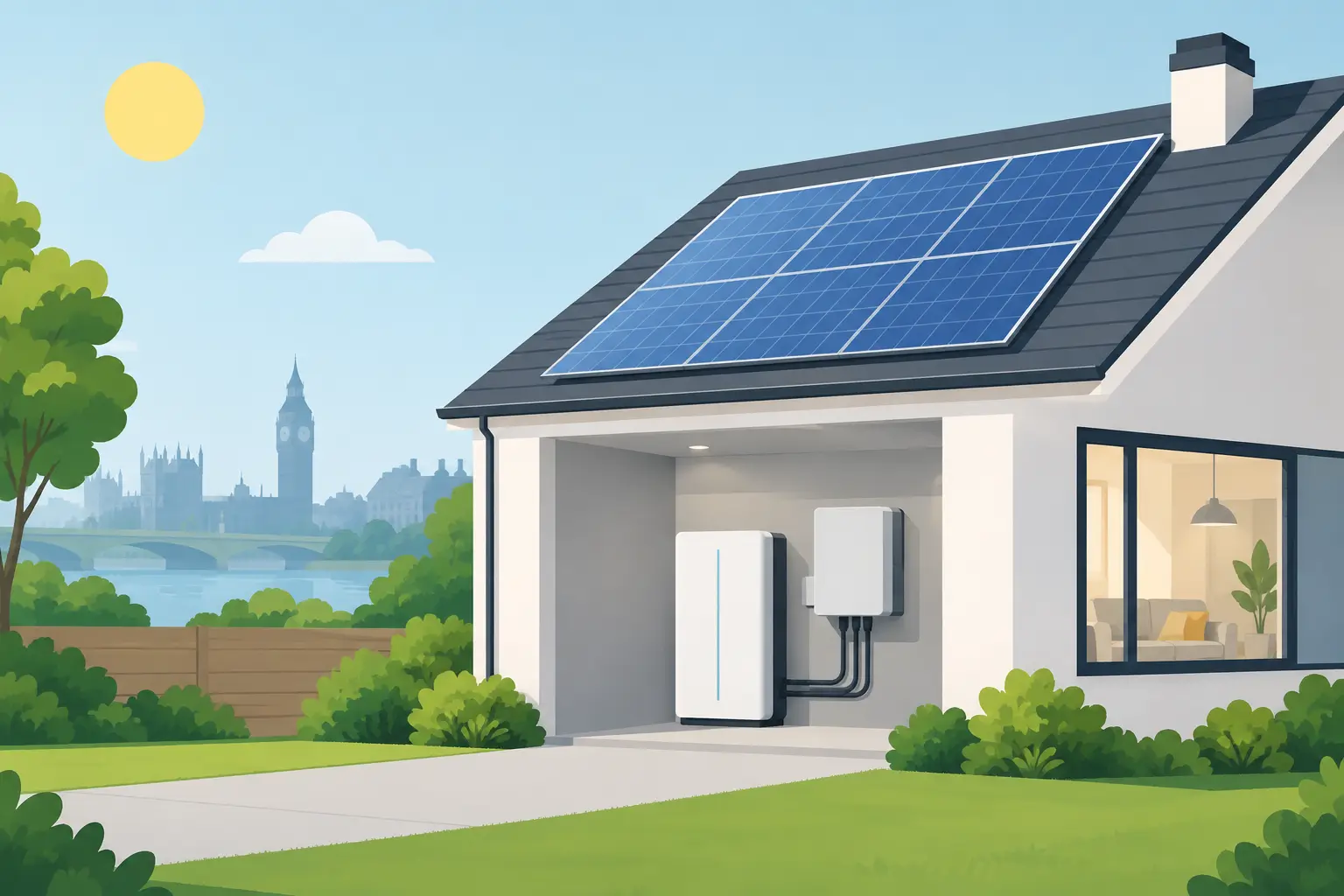
Many people hear the word battery and immediately picture a system paired with panels. While that is one route, it is not the only route, and for some households it is not even the most relevant one. Plenty of UK homes either cannot install panels, do not want the disruption, or simply want a faster, more straightforward way to reduce bills.
A standalone battery can still be worthwhile if you have enough electricity use during expensive periods and access to a suitable tariff. The savings come from buying electricity at a better time, not from generating it yourself.
For a lot of households, that is a more practical starting point. There is no need to assess roof direction, shading, planning concerns or panel aesthetics. The focus stays on storage, tariff optimisation and everyday savings.
When charging a home battery from the grid makes the most sense
Grid charging tends to suit households that use a fair amount of electricity outside overnight hours, especially in the morning and evening when families are home and energy demand is higher.
It can also make sense for people who already understand the value of time-of-use tariffs but want to make those tariffs work harder. Without a battery, you may still be able to run some appliances overnight, but you cannot shift all your household demand to those cheaper hours. A battery helps bridge that gap by storing low-cost electricity for use later.
Homes without suitable roofs, listed properties, shaded locations, or households that simply do not want panels often find this approach more accessible. It is also appealing to homeowners who prefer a practical, low-friction upgrade rather than a larger energy project.
The trade-offs to understand
Grid charging is not magic, and it is not right for every household.
First, the savings depend on your tariff. If you are on a flat-rate electricity deal, the benefit of charging overnight and using that power during the day may be limited. A battery needs a pricing difference to exploit.
Second, your usage matters. If most of your electricity use already happens overnight, or if your daytime usage is very low, there may be less opportunity to save.
Third, battery capacity matters. A smaller battery may not cover enough of your higher-cost usage period. A larger battery offers more storage but increases upfront cost. The right balance depends on your home and your bill pattern.
There are also efficiency losses to consider. No battery is 100 per cent efficient, so some energy is lost during charging and discharging. That does not automatically make the system poor value, but it is part of an honest calculation.
A credible installer should explain these trade-offs clearly rather than promising blanket savings to everyone.
Can you charge a home battery from the grid and still use normal appliances?
Yes. From the household point of view, everything should feel straightforward. Your appliances continue to work as normal. The battery system sits in the background, charging and discharging according to the setup and tariff schedule.
You do not need to manually switch your home from grid to battery each day. A properly configured system handles this automatically. The aim is to make savings simple, not to give you another job to manage.
That said, monitoring is still useful. Many systems allow you to see when the battery is charging, how much stored energy is available, and how your usage lines up with your tariff. That visibility helps homeowners understand where the savings are coming from.
What to ask before installing a grid-charged battery
Before going ahead, it is worth asking a few practical questions. Is your current tariff suitable, or would a different one improve the savings? How much electricity do you typically use during higher-rate periods? What battery size matches that pattern without over-specifying the system?
You should also ask about installation standards, product quality, warranty cover and ongoing performance. Battery storage is not a gadget purchase. It is a long-term part of your home’s electrical setup, so safe installation and dependable technology matter.
This is where a specialist approach makes a difference. Volt Wiser Energy focuses on helping UK homeowners understand whether a grid-charged battery is likely to work for their property, tariff and budget, rather than treating every installation as identical.
Is it legal and safe?
In the UK, charging a home battery from the grid is legal, and when the system is properly specified and professionally installed, it is safe. The important part is using approved equipment and qualified installers who understand domestic battery systems and the relevant standards.
Homeowners should be cautious of vague claims, unclear specifications or anyone glossing over safety. A battery is an electrical system that should be installed with the same seriousness you would expect for any major upgrade in the home.
Reliable products, proper commissioning and clear operating guidance all matter. So does knowing who is responsible if something needs attention later.
Is it worth it purely for bill savings?
For many households, yes, that is the main reason to consider it. But the answer still depends on the numbers.
A well-matched system can reduce exposure to expensive daytime electricity and make better use of off-peak tariffs. Over time, that can mean more predictable energy costs and lower bills. For households feeling the pressure of rising electricity prices, that kind of control is often just as valuable as the savings themselves.
At the same time, it is sensible to be realistic. The outcome depends on tariff structure, battery size, household demand and installation cost. Anyone giving you a one-size-fits-all answer is skipping the part that actually matters.
The better question is not just can you charge a home battery from the grid, but whether doing so fits the way your home uses electricity. If it does, battery storage becomes less of a technical upgrade and more of a practical household decision – one that can turn the tariff system in your favour.