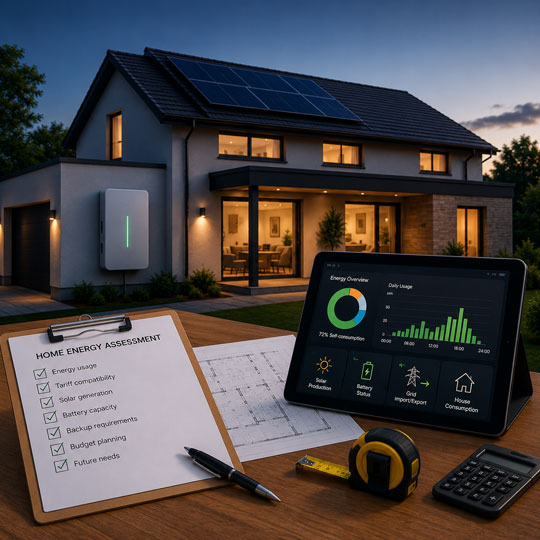
Battery Tariffs & Savings

Learn how home battery storage systems may help households make better use of off-peak electricity pricing and time-of-use energy tariffs.

What Is A Smart Energy Tariff?

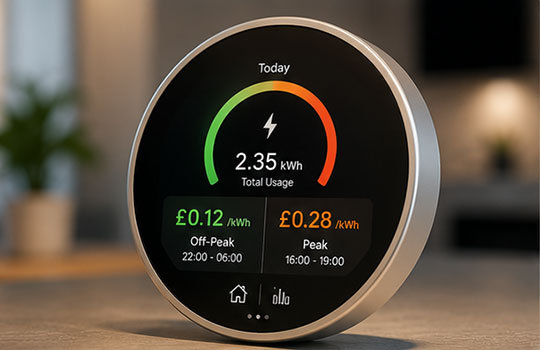
Some UK electricity suppliers offer tariffs where electricity prices vary depending on the time of day. These are commonly referred to as smart tariffs or time-of-use tariffs.

In some cases, electricity prices may be lower during periods of reduced demand, such as overnight hours. Some homeowners explore battery storage systems as a way to charge stored energy during these lower-priced periods for use later in the day.

Tariff structures, pricing and eligibility vary between suppliers and may change over time.

How Battery Storage May Work Alongside Off-Peak Electricity

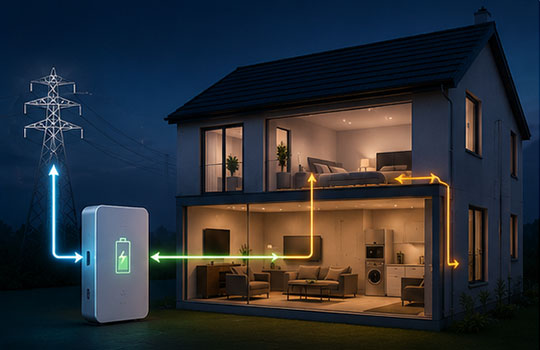
A home battery storage system is designed to store electricity for later use within the property.

Depending on the system configuration and energy tariff available, some battery systems may be capable of charging during lower-cost periods and supplying stored electricity back to the home when electricity prices are higher.

Potential benefits may include:

  • Increased use of off-peak electricity
  • Reduced reliance on peak-time grid electricity
  • Greater visibility of household energy usage
  • Improved use of renewable energy systems such as solar panels

Actual performance and financial outcomes will depend on energy usage, tariff structure, property setup, battery size and other factors.

Battery Storage Without Solar Panels

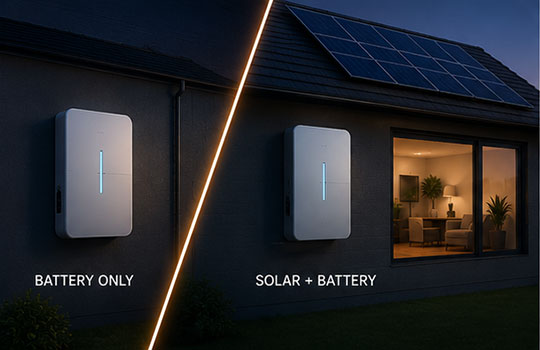
Battery storage systems are commonly associated with solar panels, however some systems may also be used independently of solar generation depending on the equipment installed and the energy tariff selected.

Some homeowners explore battery-only systems to make use of time-of-use electricity pricing, while others use batteries to store excess solar energy generated during the day.

The suitability of any setup depends on individual property requirements, energy usage patterns and available tariffs.

Factors That May Influence Potential Savings

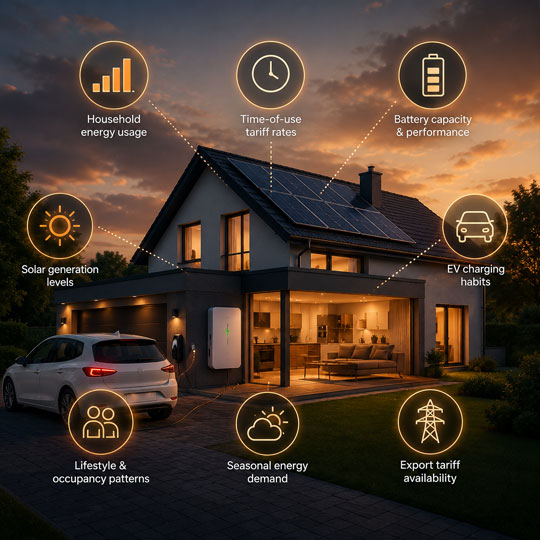
Every property and household uses electricity differently, which means potential outcomes can vary significantly.

Potential influencing factors may include:

  • Household electricity usage
  • Time-of-use tariff pricing
  • Battery storage capacity
  • Solar generation levels
  • Electric vehicle charging usage
  • Property occupancy patterns
  • Seasonal energy demand
  • Export tariff availability
Understanding Time-Of-Use Electricity Pricing

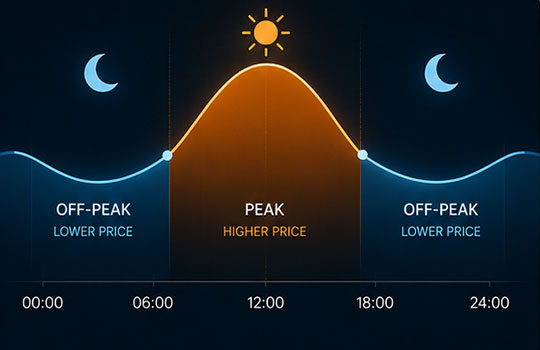
Time-of-use tariffs are designed around changing electricity demand throughout the day.

In general terms:

  • Electricity demand is often higher during mornings and evenings
  • Demand may reduce overnight
  • Some suppliers offer different unit rates depending on these periods


Battery storage systems may allow households to make greater use of electricity purchased during lower-demand periods, subject to system compatibility and tariff availability.

Things To Consider Before Installing Battery Storage

Before investing in a battery storage system, homeowners may wish to consider:

  • Current electricity usage patterns
  • Existing solar panel systems
  • Available installation space
  • Battery warranty terms
  • System lifespan expectations
  • Future EV charging plans
  • Smart meter requirements
  • Available electricity tariffs


Professional assessment is recommended before purchasing any energy system.