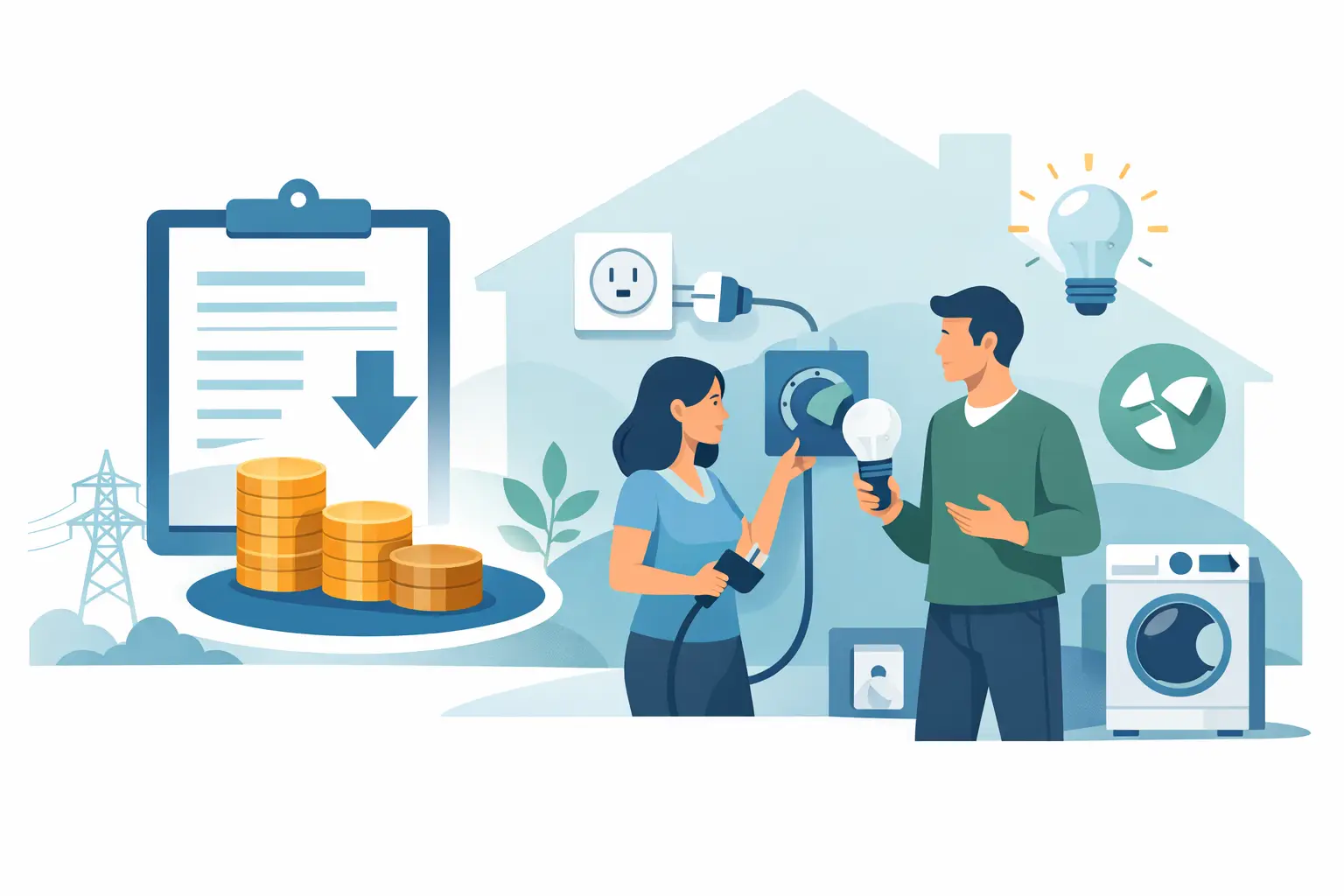
When your electricity bill jumps and nothing in the house seems to have changed, the problem is often not how much power you use – it is when you use it. That is the key to understanding how to cut electricity bills without solar. For many UK households, the biggest savings now come from using energy more deliberately, choosing the right tariff structure and shifting expensive daytime use away from the costliest hours.
That matters because cutting bills is no longer just about turning lights off and hoping for the best. Those small habits still help, but they rarely move the needle enough on their own. If you want a noticeable reduction, you need to look at the parts of your electricity use that cost the most and ask a simple question: can this load be reduced, moved or managed better?
How to cut electricity bills without solar in a UK home
The first place to look is your tariff. Many homes are still on standard rates that charge roughly the same price across the day, even though the grid cost behind that power changes by hour. If your supplier offers a time-of-use tariff, you may be able to pay less for electricity at certain times, usually overnight, and more at peak periods.
That creates an opportunity. Running the washing machine later in the evening, setting the dishwasher to start overnight or heating water when rates are lower can all trim your bill. The trade-off is convenience. Some households are happy to shift routines, while others find it annoying or impractical, especially with children, noise concerns or busy schedules.
That is why habit changes alone are not always enough. They can help, but they depend on everyone in the home remembering to act differently every day. In real life, that can wear thin quickly.
Start with the appliances that quietly cost the most
Big bill reductions usually come from larger or longer-running loads, not the odd lamp left on in the hallway. Tumble dryers, electric heating, immersion heaters, older fridge-freezers and always-on devices can all add up. If you have a smart meter or access to half-hourly usage data, it is worth checking when your highest consumption happens.
Sometimes the answer is obvious. An immersion heater running longer than necessary can be surprisingly expensive. Portable electric heaters are another common culprit, especially when one room becomes the default workplace through winter. If you spot one device or habit behind a chunk of your usage, that gives you a far better route to savings than trying to cut everything at once.
Replacing older appliances can also help, but it depends on age and usage. Swapping a ten-year-old fridge-freezer for a more efficient model may be worthwhile if it runs constantly and is genuinely inefficient. Replacing a fairly modern kettle or washing machine just for the sake of it usually takes longer to pay back.
Reduce waste before you reduce comfort
A lot of electricity is not essential use at all. It is waste. Standby power is the classic example. On its own, one device on standby costs very little, but homes now tend to have televisions, games consoles, soundbars, routers, printers and kitchen gadgets all drawing power in the background.
The sensible approach is to target clusters rather than individual plugs. A switched extension lead behind the television setup is easier than asking everyone to unplug five things by hand. In a home office, turning off screens and accessories properly at the end of the day is a simple win.
Heating controls matter too, even where heating itself is not electric. Pumps, timers and water heating settings can all affect electricity use. Overheating water, running systems for longer than needed or relying on electric backup heat can push bills up without much benefit. Cutting waste should not mean making the house less comfortable. It should mean stopping the house from using power when no one is getting value from it.
Lighting still matters, but not as much as people think
Switching to LED bulbs is worthwhile if you have not already done it. They are cheap to run, last well and are one of the easiest efficiency upgrades in any home. But lighting is rarely the biggest part of a modern electricity bill.
That is why some households feel disappointed after doing all the obvious things. They have changed the bulbs, turned things off more often and still the bill feels stubborn. The reason is simple: the expensive part of electricity use often sits in heating water, drying clothes, cooking and paying peak-time rates for power that could have been sourced more cheaply.
The smarter route: use cheaper electricity at the right time
This is where battery storage changes the conversation. If you are looking into how to cut electricity bills without solar, a domestic battery can make a lot more difference than most people expect, because it tackles the price of electricity rather than relying only on using less of it.
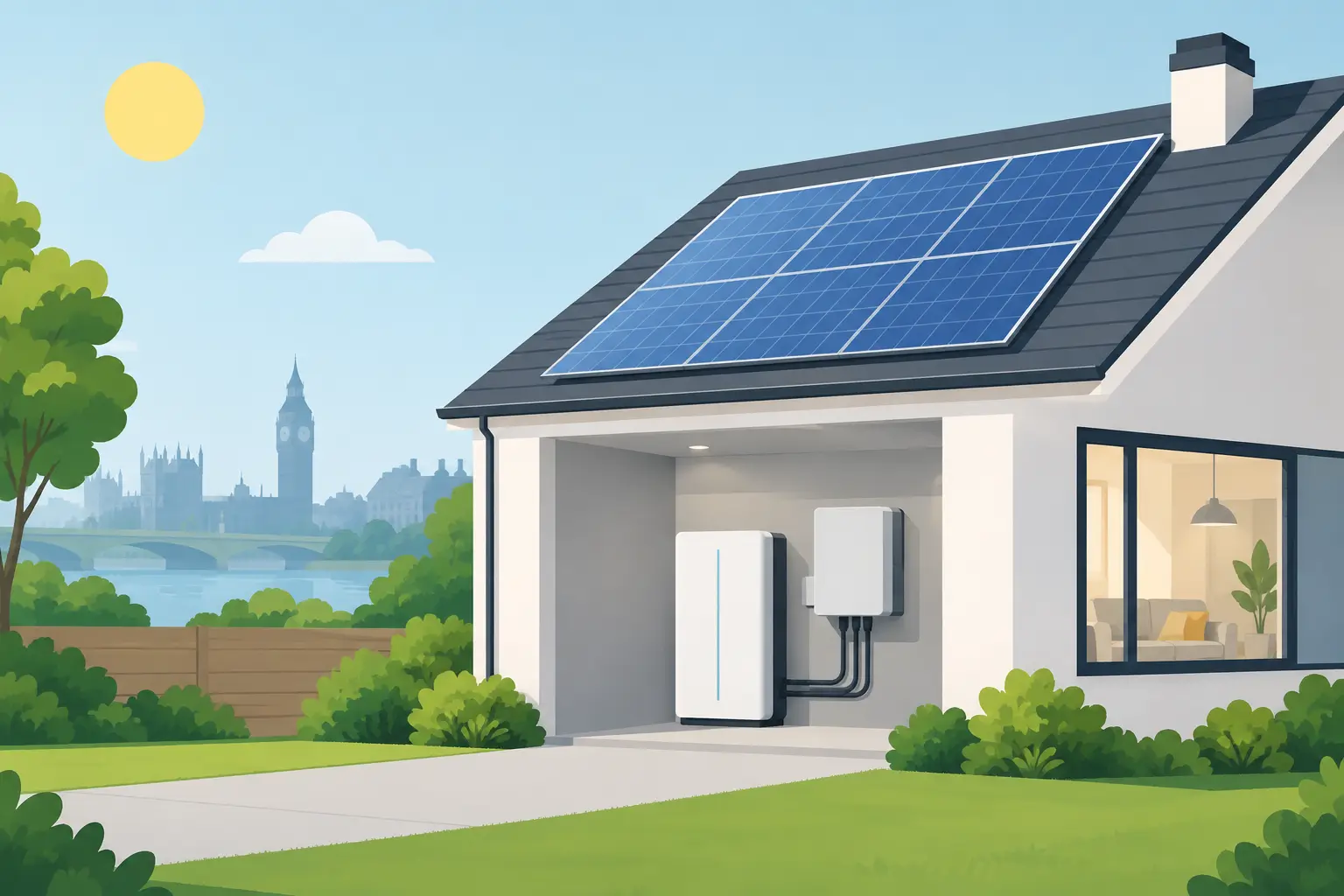
A grid-connected home battery stores lower-cost electricity when rates are cheaper and then uses that stored electricity later when daytime rates are higher. In practical terms, that means you are not trying to remember to run every appliance at awkward times. The battery does the shifting for you.
For the right home, that can be a far more reliable saving method than behaviour changes alone. It is especially useful for households that use a fair amount of electricity during the day and evening, when rates are often at their highest. Instead of changing your life around the tariff, you use technology to make the tariff work in your favour.
There are, of course, some things to weigh up. A battery is an investment, so the savings need to make sense against the installation cost. Results vary depending on your tariff, your daily usage pattern and the size of system installed. A very low-usage household may see slower returns than a family home with steady daytime demand.
That is why clear guidance matters. The best advice is based on your actual usage, not generic promises. A properly specified system should be explained in plain terms – what it can store, when it charges, how it discharges and what that means for your bill over time.
Why some homeowners prefer this to solar
Solar panels can work well, but they are not the right fit for every property or every budget. Some homes are not suited to them. Some owners do not want rooftop works, planning questions or the higher upfront commitment. Others simply want a straightforward way to reduce bills using the tariff opportunities already available from the grid.
That is why standalone battery storage has become more relevant. It removes the need for roof generation and focuses on what many people care about most: lowering electricity costs in a practical, measurable way. For households that want simplicity and less disruption, that can be a more appealing route.
Providers such as Volt Wiser Energy have helped make that option easier to understand by focusing on education, qualified installation and transparent savings logic rather than hype. For most homeowners, that kind of clarity is far more useful than technical jargon.
What works best depends on your home
No single trick cuts every bill. A flat with low consumption may benefit most from trimming waste and choosing a better tariff. A larger household with heavier daytime use may gain more from battery storage because the cost difference between cheap and expensive electricity can be used more effectively.
It also depends on how much effort you want to put in. If you are happy scheduling appliances and keeping a close eye on usage, manual changes can help. If you want savings without turning energy management into a daily task, a battery-backed approach is often more practical.
The mistake is assuming there are only two choices: do nothing or install solar panels. In reality, there is a middle ground. You can reduce waste, improve timings, review your tariff and, if it suits your home, use battery storage to buy electricity more intelligently.
A sensible order to tackle it
Start by reviewing your tariff and your usage pattern. Then check for obvious waste such as immersion settings, standby clusters and older power-hungry appliances. After that, think about whether shifting usage manually is realistic in your household.
If it is not, or if you want bigger bill reductions than small habit tweaks can usually deliver, battery storage is worth serious consideration. Not because it is fashionable, but because it solves a practical problem: daytime electricity is expensive, and storing cheaper power for later can change that.
The most useful energy decisions are rarely the flashy ones. They are the ones that fit your home, your routine and your budget well enough to keep saving month after month.