If you have been comparing energy bills and wondering how much does a battery storage system cost, the short answer is that most UK home battery systems land somewhere between £4,500 and £16,000 installed. That is a wide range for a reason. The final price depends on the battery size, the brand, whether it is being fitted with solar or as a standalone system, and how much usable savings it can deliver on your tariff.
For many households, the more useful question is not just the ticket price. It is whether the system can reduce bills in a predictable, practical way. A battery that stores cheaper off-peak electricity overnight and uses it during expensive daytime hours can make financial sense even without solar panels. That matters because it opens battery storage up to far more homes.
Typical UK costs for a home battery system
A smaller domestic battery system for light daily use may start at around £4,500 to £9,500 installed. Mid-range systems often sit between £7,000 and £12,000. Larger or more advanced systems can reach £12,000 to £16,000 or more, especially where higher storage capacity, backup capability or more complex installation is involved.
Those figures are best treated as realistic guide prices rather than a fixed rate card. A battery is not a one-size-fits-all purchase. A home using more electricity in the evening will usually need a different setup from a home with lower demand or a strong off-peak tariff.
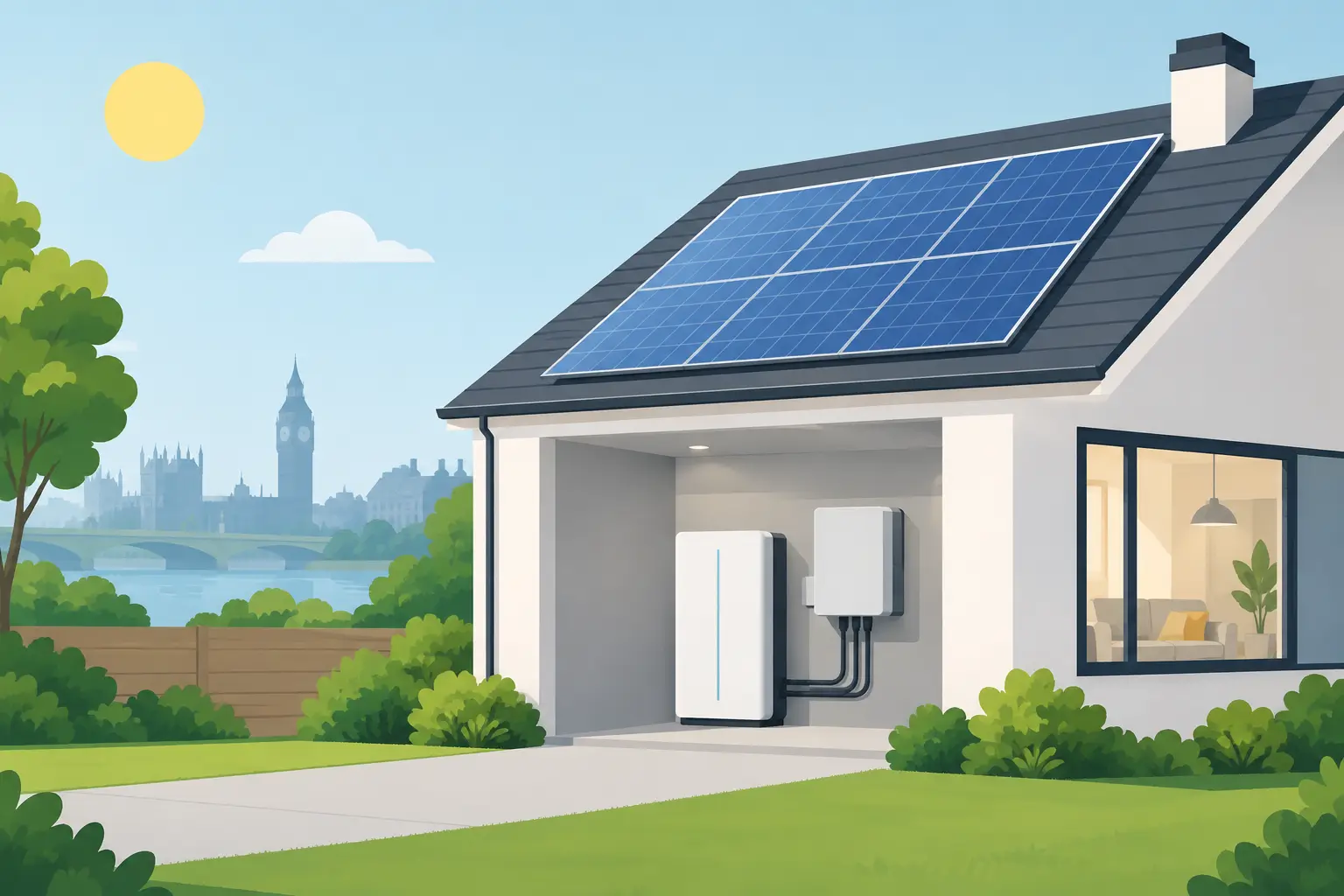
If you already have solar panels, the battery may be configured to store surplus generation. If you do not, the system can still be used to charge from the grid at low overnight rates. For many UK homeowners, that standalone route is simpler and more relevant than a full solar installation.
What affects how much a battery storage system costs?
The biggest cost factor is battery capacity, usually measured in kilowatt-hours or kWh. In simple terms, a larger battery can store more electricity, which usually means a higher upfront price. A 5 kWh system will generally cost less than a 10 kWh system, but cheaper is not always better if the capacity is too small for your usage pattern.
The battery chemistry and build quality also matter. Better-engineered systems often cost more because they are designed for long service life, safe operation and dependable performance over many charge and discharge cycles. That can be worth paying for, particularly when the system is meant to work quietly in the background for years.
Installation complexity is another variable. A straightforward installation in a standard grid-connected property is usually more cost-effective than one requiring extra electrical work, consumer unit upgrades or unusual placement. Labour, commissioning and certification all form part of the installed price.
Software and control features can influence cost as well. Some systems offer smarter charging schedules, tariff optimisation and app-based monitoring. Those features are not just nice extras. They can directly affect how much value you get from the battery over time.
Battery cost with solar vs without solar
This is where many homeowners get stuck. They assume battery storage only makes sense if they already have rooftop panels. In reality, adding a battery to an existing solar system can be a good option, but it is not the only one.
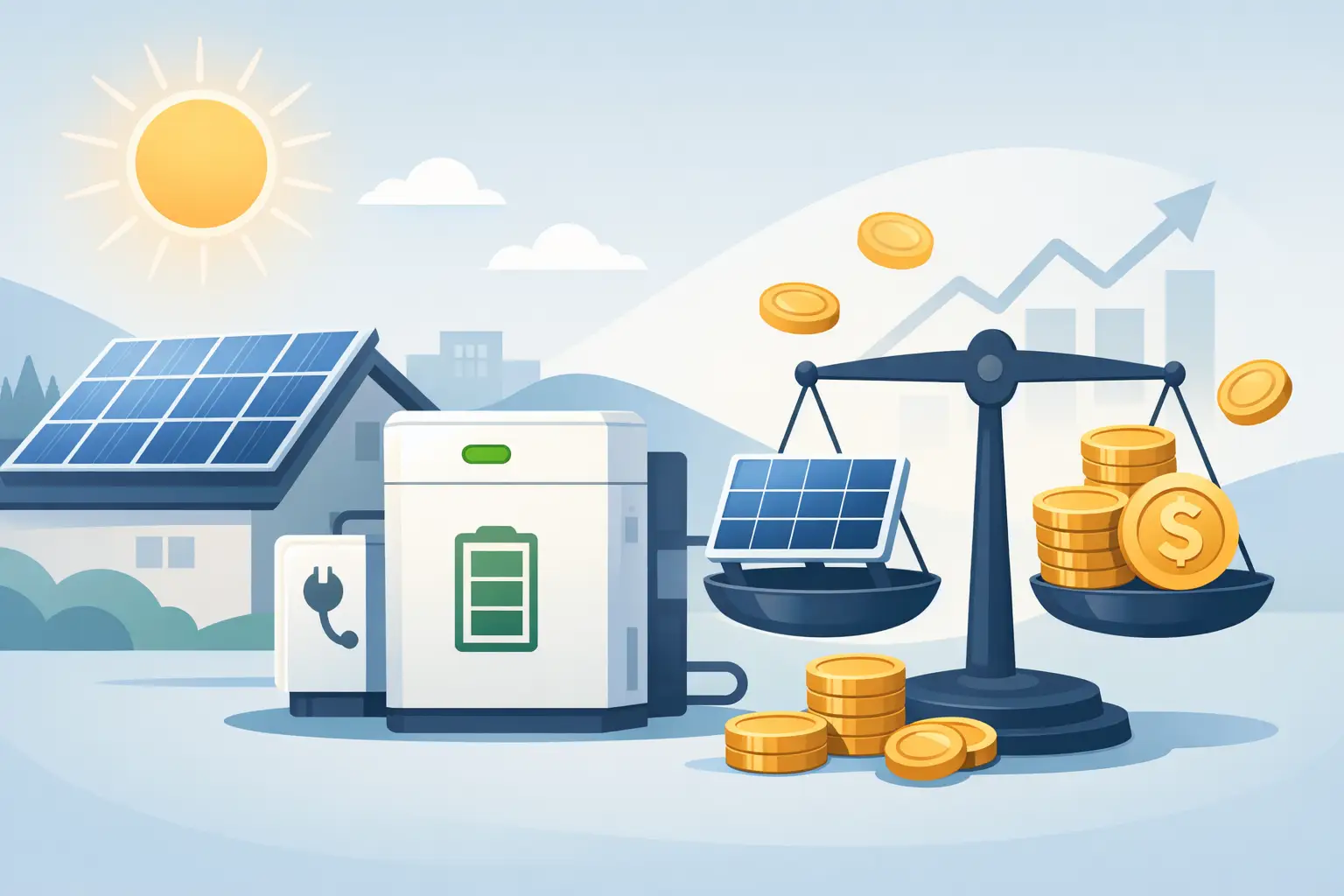
A battery installed alongside solar panels will normally raise the overall project cost because you are paying for both technologies. If you are asking how much does a solar battery storage system cost as part of a full solar-and-battery package, the answer is often somewhere well above the battery-only figures. Depending on system size, total combined costs can move into five figures.
By contrast, a standalone battery system is usually less disruptive and less expensive upfront. It can still help reduce bills by buying electricity when it is cheap and using it when rates rise. For homes on time-of-use tariffs such as Economy 7 or Octopus Go, that can be the main financial benefit.
That is an important distinction. Some households do not need to generate their own power to make battery storage worthwhile. They simply need a tariff that rewards shifting energy use to cheaper periods.
Cheap systems are not always better value
It is tempting to compare batteries the same way you might compare kettles or washing machines. But storage systems are more like long-term energy infrastructure than everyday appliances. The lowest quote is not automatically the best buy.
A cheaper battery may offer lower usable capacity, a shorter warranty, fewer charge cycles or weaker software controls. It may also be backed by a less established installer network. If the system cannot be charged and discharged efficiently, or if it does not fit your tariff and usage profile, lower upfront cost can quickly turn into disappointing savings.
This is why transparent advice matters. A good installer should explain not only what the system costs, but why that size and specification suit your home. The right answer is based on your electricity use, your tariff, your available space and your savings goal.
What are you actually paying for?
When you receive a quote, you are not just paying for the battery unit itself. A proper installation usually includes the battery hardware, inverter or integrated power electronics, mounting equipment, electrical connections, system setup, testing and handover. It should also include the work of qualified professionals who install the system safely and in line with UK standards.
That matters because battery storage is not a plug-in gadget. It connects into the electrical system of your home and needs to be designed and fitted correctly. Safety, performance and long-term reliability should be built into the price.
For that reason, UK-engineered equipment and professional installation can be a sensible priority even if the upfront figure is slightly higher than a no-frills alternative. The cheapest route on day one is not always the most economical route over the life of the system.
Will a battery actually save you money?
In many cases, yes, but the amount varies. Savings depend on the gap between your cheap off-peak rate and your daytime or peak rate, as well as how much of your stored electricity you actually use.
For example, if your battery charges overnight at a low tariff and powers part of your home through the morning and evening, each unit of electricity shifted away from peak pricing can reduce your bill. The wider the tariff gap, the more attractive battery storage becomes.
That said, savings are never identical from one household to the next. A family home with high evening use may benefit more than a property where most electricity is used during off-peak hours anyway. Battery size also matters. Too small, and it empties too early. Too large, and you may be paying for capacity you rarely use.
This is why a tailored estimate is more useful than a headline price. The system should be sized around real household behaviour, not guesswork.
Questions worth asking before you buy
Before agreeing to any installation, ask what usable capacity the battery provides, what tariff setup it is designed for and how the expected savings have been calculated. You should also ask about warranty length, expected lifespan and whether the system is intended to work with or without solar.
It is sensible to ask who is manufacturing the equipment, who is carrying out the installation and what aftercare is available if anything needs attention later. A clear answer to those points usually tells you a lot about the quality of the provider.
If the quote sounds low but key details are vague, be cautious. Clarity is part of value.
So, how much should you expect to pay?
For most UK homeowners, a sensible expectation is somewhere between £4,500 and £8,000 for a domestic battery storage system, with the exact figure driven by size, specification and installation requirements. If solar panels are part of the same project, total costs will usually be higher.
The better way to judge the price is to ask what problem the battery is solving. If it helps you make regular use of cheaper overnight electricity, lowers your daytime import costs and gives you more control over household energy spending, then the cost starts to look less like a gadget purchase and more like a planned upgrade to the way your home buys power.
At Volt Wiser Energy, that is the practical lens worth using. The right system should not feel complicated or speculative. It should feel like a straightforward way to put your tariff to work and make rising electricity prices a little less difficult to live with.
If you are weighing up the numbers, focus on fit rather than just price. A battery earns its place when it matches the way your home actually uses energy.