
If your electricity bill feels harder to predict than it used to, a guide to time of use tariffs is a sensible place to start. These tariffs can reward households for using power at cheaper times of day, which matters even more if you charge an electric car at home or want more control over rising energy costs.
The basic idea is simple. Instead of paying one flat rate for electricity all day, you pay different rates depending on the time. Electricity is usually cheaper overnight when demand is lower, and more expensive during the busiest periods, often in the morning and early evening.
For many UK households, that pricing structure creates an opportunity. If you can shift some of your electricity use to off-peak hours, you may be able to reduce your bills without cutting back on what you use. The real savings depend on your habits, your tariff and whether you have technology that helps you make better use of the cheaper periods.
What a guide to time of use tariffs should explain first
Time of use tariffs are often talked about as though they suit everyone automatically. They do not. They work best when your household can move enough electricity use away from expensive periods.
That might mean charging an EV overnight, running appliances later in the evening, or storing cheaper electricity in a home battery for use the next day. If most of your usage stays in peak periods, a time-based tariff may not save you money and could even cost more than a standard single-rate plan.
This is why the tariff itself is only part of the decision. The more useful question is whether your home can actually respond to the tariff.
How time of use tariffs work in practice
Suppliers set different unit rates for different time windows. Some offer a simple two-period structure with an off-peak window and a standard or peak window. Others use several pricing periods across the day.
A typical pattern might look like this:
“`text Time of day Typical tariff effect 00:30 – 05:30 Cheapest electricity 05:30 – 16:00 Mid-range pricing 16:00 – 19:00 Highest pricing 19:00 – 00:30 Mid-range or standard pricing “`
The exact hours vary by supplier and tariff, so the details matter. A tariff that looks attractive at first glance may have a very low night rate but a notably higher daytime rate. That is not a problem if you can move enough usage. It is a problem if you cannot.
Standing charges also need attention. Some households focus only on the cheap off-peak rate and overlook the daily fixed cost. The right tariff is the one that works across your full pattern of use, not just one headline number.
Who tends to benefit most
Households with flexible demand usually get the best results. EV owners are a strong fit because car charging can use a large amount of electricity and is often easy to schedule overnight. Homes with battery storage also stand out because they can buy electricity when it is cheap and use it later when prices rise.
By contrast, if your highest electricity use happens at breakfast time and early evening, and you cannot shift much of it, the case becomes weaker. Families with unpredictable routines may still benefit, but the margin is often smaller.
Working from home can cut both ways. If you are at home all day using heating, cooking and office equipment during standard or peak periods, the tariff may be less favourable unless you have a battery helping to smooth that demand.
EV charging and tariff choice
For many households, the biggest reason to consider time-based pricing is an electric vehicle. Charging a car from the grid can add a noticeable amount to monthly electricity use, but charging at the right time can make a substantial difference.
Here is a simple illustration of how that can look:
“`text EV home charging comparison
Scenario Charge time Relative cost Standard flat-rate tariff Any time Higher EV tariff off-peak window Overnight Lower EV tariff + home battery Overnight/store Lower and more flexible “`
The first option is straightforward, but you pay the same rate regardless of when you charge. The second lowers charging costs if you reliably use the off-peak window. The third adds flexibility because cheaper overnight electricity can support more than just the car.
That matters in real homes. An EV-specific tariff can reduce the cost of charging, but if the daytime unit rate is high, the household side of the bill may still feel expensive. A battery can help by storing lower-cost overnight electricity and using it later for parts of the home’s daytime demand.
A practical guide to time of use tariffs for battery storage
This is where time of use tariffs become more than a billing option. They become a strategy.
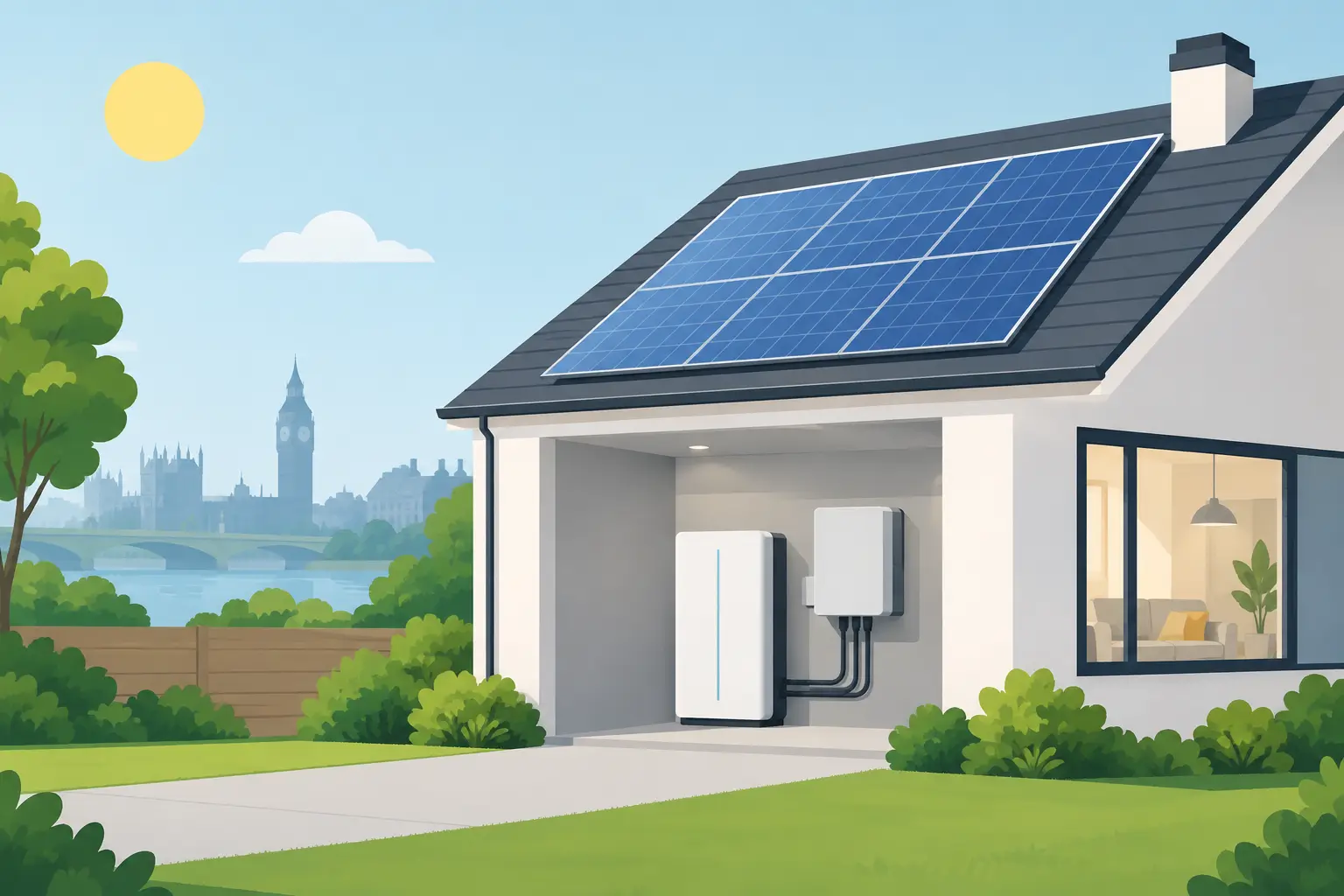
A grid-charged domestic battery stores electricity bought during cheaper off-peak periods. Instead of using all your power directly from the grid during expensive daytime hours, your home can draw from that stored electricity first. In the right setup, this reduces the amount of electricity bought at the highest rates.
The logic is straightforward:
“`text Night Battery charges at lower tariff rate Morning/daytime Home uses stored electricity Peak evening Battery helps reduce high-rate grid use Later night Battery recharges when prices fall again “`
This approach can work particularly well for households that cannot shift every activity into the night. Most people are not going to cook dinner at midnight or avoid using electricity when they actually need it. Battery storage helps bridge that gap by moving the electricity purchase, rather than forcing a major lifestyle change.
It also means the tariff needs to be judged alongside the battery size, household demand and charging pattern. A battery that is too small may not cover enough of the expensive periods. One that is well matched to the home can make tariff optimisation far more effective.
What to check before switching
Start with your current electricity usage. Look at when you use the most power, not just how much you use overall. If you have half-hourly data through a smart meter account or supplier app, even better. That gives a clearer picture of whether your usage lines up with cheaper periods.
Then compare the off-peak rate, the daytime or peak rate, and the standing charge together. A lower night rate is attractive, but it does not guarantee lower bills on its own.
You should also ask practical questions. Can your EV charge automatically overnight? Can your appliances be timed safely? Would a battery help you use more of the lower-cost electricity later in the day? The best answer depends on the home.
If you are considering battery storage, installation quality matters as much as the savings calculation. The system should be specified properly, installed by qualified professionals and based on technology designed for long-term, reliable use. That is especially important when the aim is steady bill reduction rather than experimenting with new gadgets.
Common misunderstandings about time of use tariffs
One common misconception is that these tariffs are only for people with solar panels. They are not. A home can benefit from time-based pricing and battery storage using electricity from the UK grid alone.
Another is that savings are automatic. They are not. Savings come from matching your usage to the tariff, either by changing when you use power or by storing cheaper electricity for later.
There is also a tendency to compare tariffs using only one scenario. Real households are more complicated than that. Winter use differs from summer use. EV mileage changes. Working patterns shift. A good decision should allow for those variations rather than relying on a best-case estimate.
The trade-off most households should think about
Time of use tariffs offer lower-cost electricity at certain hours, but they also make poor timing more expensive. That is the trade-off.
If your home can respond well, especially with overnight EV charging or a battery, the tariff can become a useful tool for lowering bills. If your usage is fixed in high-cost periods and you have no easy way to shift it, a simpler tariff may be the better fit.
For many households, the most practical middle ground is not changing daily life around a tariff. It is using technology to do the heavy lifting. That is why battery storage has become such a relevant option. It turns tariff structure into something you can use, rather than something you have to work around.
Volt Wiser Energy focuses on exactly that kind of practical outcome – helping UK households use cheaper grid electricity more intelligently, without adding unnecessary complexity.
The right tariff should make your home cheaper to run, not harder to manage. If a tariff works with your habits, your EV charging and the right storage setup, it can bring more control to your bills and a bit more certainty to the month ahead.