
Most people first look at a home battery after opening a winter electricity bill and wondering how the same kettle, washing machine and evening routine suddenly cost so much more. That is exactly where a guide to standalone home batteries becomes useful – not as a piece of energy jargon, but as a practical way to understand how some UK households are shifting costs by buying electricity when it is cheap and using it later when rates rise.
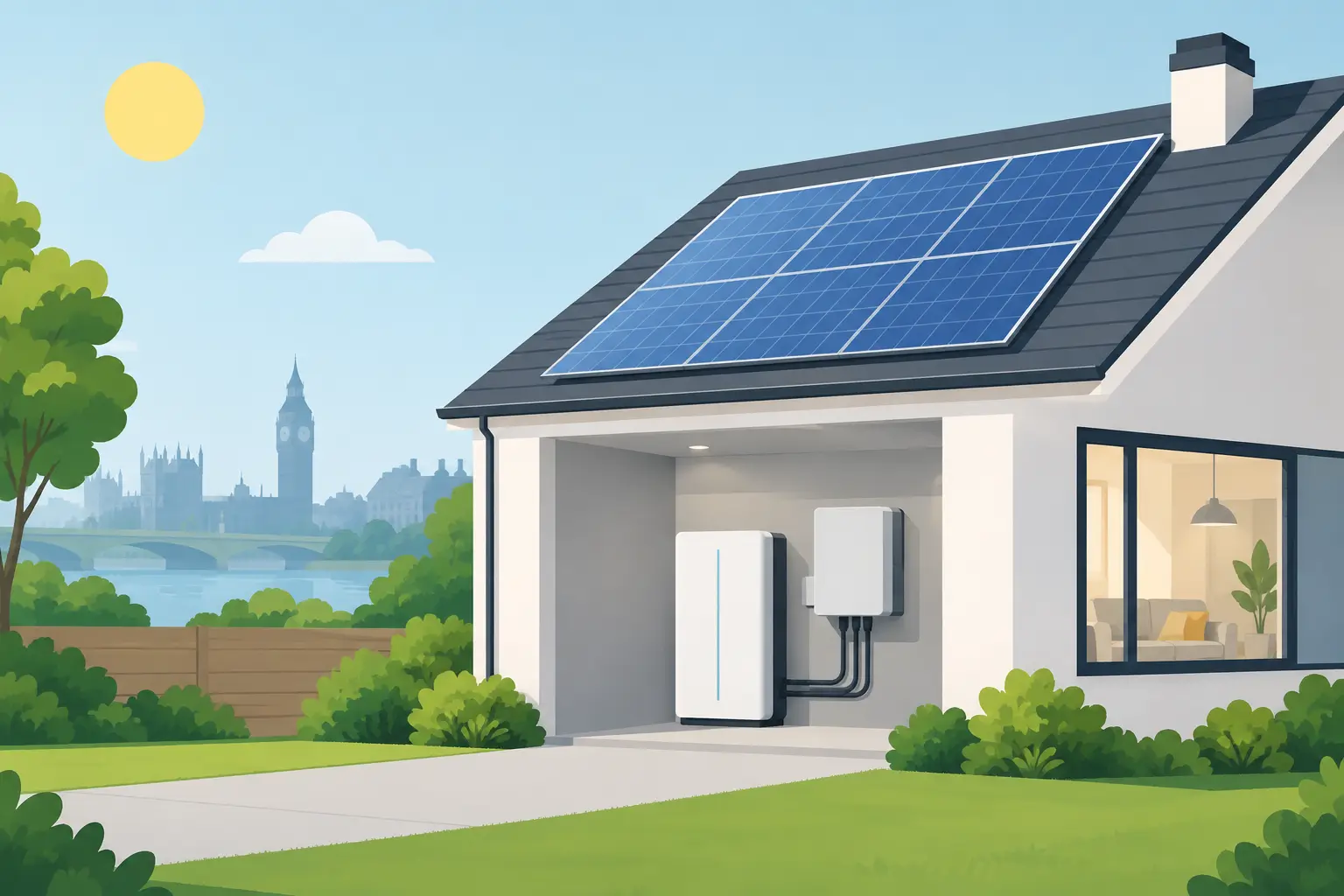
A standalone home battery is a domestic battery storage system that charges from the grid rather than relying on panels on the roof. The idea is straightforward. Your battery stores lower-cost electricity during off-peak hours, usually overnight, and then supplies some of your home’s demand during more expensive daytime or evening periods. If you are on the right tariff and your usage pattern suits it, that can reduce your overall electricity bill without changing your property in a major way.
What standalone home batteries actually do
At its simplest, a standalone battery gives you timing control. It does not create electricity. It stores it when your tariff is favourable and releases it when your tariff is less favourable. That matters because many UK households now face electricity prices that vary by time of day, and the gap between cheap and expensive periods can be wide enough to make storage worthwhile.
This is why standalone battery systems appeal to people who want savings without the extra complexity of a full renewable installation. There are no roof works, no question over panel orientation and no need to rely on sunny weather. For many homes, the value comes from tariff optimisation rather than generation.
That does not mean every home will save the same amount. Results depend on your tariff, your daily electricity use, the battery size, and whether your higher usage happens during peak-priced periods. A household that is out all day and uses little electricity in the evening may see different savings from a family cooking, heating water and charging devices after work.
A guide to standalone home batteries and UK tariffs
The real engine of savings is the tariff. A battery is only as useful as the price difference it can exploit. If your overnight rate is meaningfully lower than your daytime rate, the battery has a clear job to do.
In practical terms, the system charges overnight during a cheaper window, then discharges later to reduce the amount of expensive electricity you buy from the grid. Some homes use this mainly for the early evening peak. Others spread the stored electricity across breakfast, daytime and the after-school period, depending on how the system is set up and how much capacity is available.
If you also have an electric vehicle, tariff choice becomes even more important. Some EV-friendly tariffs offer very low overnight rates specifically to encourage home charging. In the right setup, that cheap period can serve two purposes at once – charging the car and charging the home battery. The aim is not just convenience. It is reducing the total cost of running the home and the vehicle together.
How EV tariff comparisons fit into the picture
For households with an electric car, it helps to think in terms of the whole property rather than the vehicle in isolation. A very low overnight EV rate can look attractive, but the wider tariff structure still matters. If daytime and evening prices are high, a standalone battery may help offset those expensive hours by shifting more of your household consumption into the cheaper charging window.
Here is a simple way to picture it:
| Household setup | Overnight EV charging | Home battery charging | Daytime household use | Likely bill impact | |—|—|—|—|—| | EV tariff, no battery | Cheap | Not available | Bought at full daytime rate | Savings on car, limited savings in home | | EV tariff with standalone battery | Cheap | Cheap | Battery covers part of daytime and evening use | Savings on car and household electricity | | Standard flat tariff, no battery | Standard rate | Not available | Standard rate all day | Least opportunity to shift costs |
The exact figures vary by supplier and tariff design, so there is no single winner for every household. But the principle is consistent. If your EV tariff gives a strong off-peak rate, and your battery can store enough low-cost electricity overnight, you may reduce bills beyond the car itself.
Is a standalone battery suitable for your home?
Many standard UK homes can be considered, provided they are grid-connected and have the right space for installation. The more important question is whether your household behaviour makes the battery useful.
You are more likely to benefit if you use a fair amount of electricity outside the off-peak window, especially in the morning and evening. You may also benefit if you already understand time-of-use tariffs and are comfortable choosing a plan designed around cheaper overnight charging.
You may be less suited if your electricity use is very low overall, or if your tariff does not offer enough difference between off-peak and peak prices. In those cases, the battery may still add resilience and control, but the financial case can take longer to stack up.
What affects savings most
Battery savings are often presented too simply. In reality, four things make the biggest difference.
The first is tariff spread – the gap between your cheap charging rate and your more expensive daytime rate. A wider gap usually improves the value of stored electricity.
The second is usable battery capacity. A larger battery can shift more energy, but bigger is not automatically better. If your home does not regularly use all that stored energy during expensive periods, part of that capacity may sit underused.
The third is your consumption pattern. Homes with predictable evening demand often get clearer value because they are replacing some of the day’s costliest electricity.
The fourth is system setup and installation quality. A properly specified battery, installed by qualified professionals, should be sized and configured to match your property and tariff rather than treated as a one-size-fits-all product.
What to ask before you buy
A good installer should explain the numbers plainly. Ask how the system is expected to charge, when it will discharge, and what assumptions are being used to estimate savings. If an estimate depends on unusually high energy prices or perfect battery cycling every day of the year, treat that with caution.
It is also worth asking about battery lifespan, warranty terms, monitoring and safety features. Home batteries are long-term electrical assets. Reliability and support matter just as much as the headline capacity figure.
For many homeowners, confidence comes from clear product provenance and qualified installation rather than flashy claims. That is especially relevant in a category where long-term performance matters more than novelty.
Common misconceptions about standalone batteries
One common misunderstanding is that batteries only make sense with rooftop generation. They do not. Grid-charged battery storage can work on its own if your tariff and usage pattern create a strong enough opportunity to shift costs.
Another misconception is that every battery owner becomes almost independent from the grid. That is rarely the case. Most households with standalone batteries still rely on the grid every day. The battery simply helps them use the grid more intelligently.
There is also a tendency to assume that the cheapest battery is the best value. Often it is not. Lower upfront cost can come with trade-offs in support, installation standards, usable capacity or long-term reliability. For a system intended to reduce bills year after year, durability matters.
Why homeowners are looking at this now
Rising electricity costs have made timing more valuable. Households are paying closer attention to when they use power, not just how much they use. At the same time, more suppliers are offering tariffs designed around overnight charging windows, especially for homes with electric vehicles.
That combination has made standalone batteries more relevant to ordinary households, not just early adopters. The appeal is practical. You do not need to overhaul your home. You do not need to become an energy expert. You need a system that stores lower-cost electricity when it is available and helps reduce what you buy at the most expensive times.
For UK homeowners who want a simpler route to lower bills, that is the real value of a standalone battery. It turns tariff timing into something useful. And if you also charge an EV at home, the right setup can make that overnight cheap-rate window work much harder for the whole household.
If you are considering one, the best next step is not to chase the biggest battery or the boldest savings claim. It is to look closely at your tariff, your routine and your actual electricity use – because the smartest system is the one that fits your home as it really runs.