
Peak-rate electricity is where many households feel the squeeze. You can be careful with heating, switch off lights and still wonder why your bill stays stubbornly high. If you are looking at how to lower peak rate bills, the answer is usually not using less electricity altogether. It is using electricity at better times, and having more control over when your home draws power from the grid.
For many UK homes, the expensive part of the day is not about waste. It is about timing. Cooking dinner, putting the washing on, running a dishwasher and keeping the house comfortable often happen in the same evening window – exactly when electricity can cost the most. That is why households on time-of-use tariffs can see a real difference when they change not just how much they use, but when they use it.
Why peak-rate bills rise so quickly
Peak pricing exists because electricity demand rises sharply at certain times of day. When lots of homes are using power at once, suppliers charge more during those periods. In practical terms, that means ordinary daily routines can become expensive without anything unusual happening.
This catches people out because most household use is concentrated into predictable slots. Kettles, ovens, showers, laundry and entertainment devices are often all in use around the same time. A few high-use habits during peak hours can have a bigger effect on your bill than lower-level consumption spread across the rest of the day.
The key point is that peak-rate bills are not only about total usage. They are about exposure to the highest unit rates. Once you understand that, the route to savings becomes much clearer.
How to lower peak rate bills without making life awkward
There are simple changes that can help, but the best results usually come from combining small behaviour changes with a smarter setup at home. If you rely on willpower alone, savings can be patchy. If you build your home around cheaper energy periods, savings become easier to maintain.
Start by looking at which appliances can run later in the evening or overnight. Washing machines, tumble dryers and dishwashers are the obvious examples, as long as you are using them safely and according to manufacturer guidance. Even moving a few regular tasks out of peak hours can chip away at costs.
Cooking and heating are harder to shift, which is why some households hit a limit with manual changes alone. You still need power when you need it. That is where storage can make a bigger difference, because it changes the source of your electricity during the expensive part of the day rather than asking you to stop living normally.
Check whether your tariff is helping or hurting
Not every tariff suits every household. Some homes benefit from time-of-use pricing, while others end up paying more because their routines do not match the cheaper periods. Before making any changes, it is worth checking when your low-rate and high-rate windows apply and how much of your usage actually lands in each.
If most of your electricity is used in the evening, a time-based tariff without any way to shift that usage may not be doing you many favours. On the other hand, if you can charge stored electricity at cheaper times and use it later, the same tariff can become far more useful.
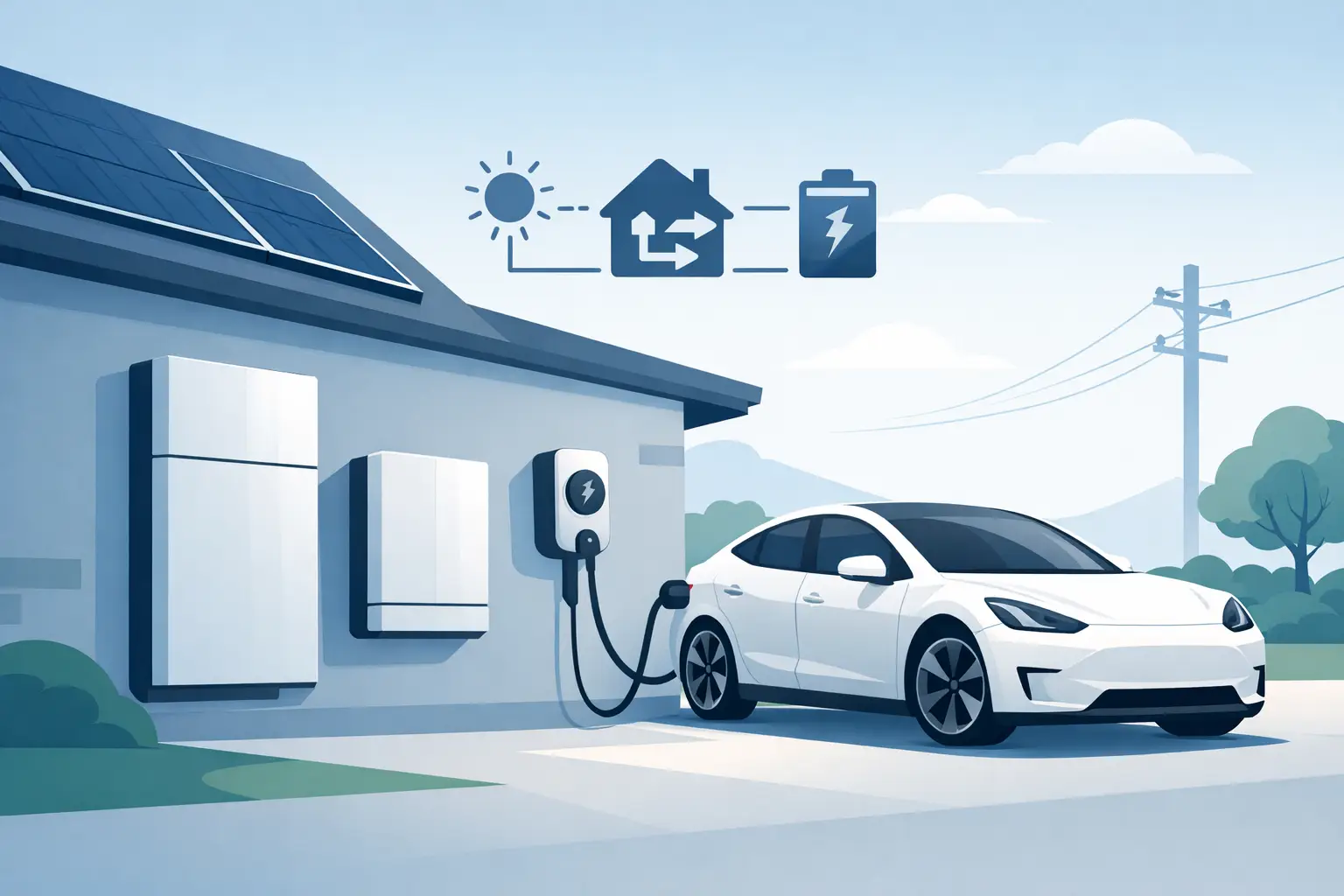
This is where people often assume they need solar panels to make battery storage worthwhile. In many cases, they do not. A domestic battery can be charged from the grid during lower-cost periods and then discharge during peak-rate hours, helping to reduce the amount of expensive electricity you buy at the wrong time.
The role of battery storage in lowering peak-rate costs
Battery storage works well for households that want a practical answer to rising electricity prices without changing everything about how they live. Instead of trying to avoid electricity use in the busiest part of the day, you store lower-cost electricity in advance and use that stored energy when rates rise.
That matters because the biggest savings often come from avoiding premium-priced units, not from cutting every possible bit of demand. If your battery charges overnight or during another cheaper tariff window, it can support your home during daytime and evening peak periods. The result is less reliance on high-rate grid electricity.
For many homeowners, this is the first time tariff structure starts working in their favour. Rather than seeing a peak period as something to dread, you are prepared for it.
Why this approach suits ordinary UK homes
There is a common misconception that home battery systems are only for very energy-focused households or properties with a complex setup. In reality, they can suit mainstream homes perfectly well, especially where the goal is simple bill reduction.
You do not need to become an energy expert. You do not need to spend your day checking usage patterns. And you do not need a major home overhaul to benefit. With the right system size, the right tariff and proper installation, battery storage can become a straightforward tool for budget control.
That is one reason this approach appeals to homeowners who want predictable savings and less exposure to rising daytime rates. It is practical, not theoretical.
What savings depend on
There is no honest one-size-fits-all figure, because savings depend on your tariff, your usage pattern and the size of the battery system installed. A home with heavy evening use may benefit more than one where daytime demand is already low. Likewise, a household that can charge cheaply and discharge consistently during expensive periods is better placed than one with less predictable use.
Installation quality matters too. A well-specified system should be matched to real household demand, not sold on vague promises. Too small, and it may not cover enough of your expensive usage window. Too large, and the payback may be slower than it needs to be.
This is why a measured, advice-led approach matters. Good guidance should focus on likely usage, tariff fit, safety and realistic performance over time.
Small changes still matter
Battery storage can do the heavy lifting, but it works even better when paired with sensible habits. If you can avoid running several power-hungry appliances during peak periods, you put less strain on the battery and extend the value of stored lower-cost electricity.
Simple steps include running laundry later, using delay timers where appropriate and being more aware of when immersion heating or other high-load devices are operating. These are not dramatic lifestyle changes. They are light adjustments that support a smarter overall setup.
The trade-off is convenience. Not every task can be moved, and not every household wants to think about timing all the time. That is exactly why storage is helpful – it reduces the need for constant micromanagement.
How to decide if battery storage is right for you
If your electricity bills feel high because of when you use power rather than how much you use overall, it is worth looking closely at storage. Households that are home in the evening, cook at regular times and use several appliances after work often have the most to gain from reducing peak-rate imports.
You should also consider how long you plan to stay in your home, whether your tariff offers a worthwhile low-rate charging window and whether you want a solution that is relatively simple to live with once installed. The best systems are not the ones with the flashiest claims. They are the ones that fit the way your household actually runs.
For homeowners who want clearer control over electricity costs, a properly installed battery system can offer a dependable middle ground between doing nothing and taking on a larger energy project. That practical, grid-based approach is why companies such as Volt Wiser Energy focus on helping households use cheaper-rate electricity more effectively rather than overcomplicating the conversation.
A smarter way to think about electricity bills
The usual advice about saving energy tends to focus on cutting back. Sometimes that helps, but it can miss the real issue. If the most expensive part of your bill comes from peak pricing, then timing matters just as much as consumption.
Learning how to lower peak rate bills is really about reducing your exposure to the worst-value electricity. For some homes, that starts with better habits. For others, it means pairing the right tariff with battery storage so the home can draw on cheaper electricity when rates climb.
When your setup matches the way your household actually uses energy, savings stop feeling like hard work. They start feeling built in.