If your cheaper electricity window starts late at night and most of your usage happens in the day, you are paying more than you need to. That is exactly why so many homeowners ask how to use battery storage with Economy 7. The idea is simple: charge a home battery when electricity is at its lowest rate, then use that stored power later when your unit price goes up.
For the right household, this can turn a time-based tariff from a mild inconvenience into a useful saving tool. You do not need panels on the roof to make it work. You need the right tariff, a battery sized properly for your home, and settings that make sure charging happens at the right time.
How battery storage works with off-peak electricity
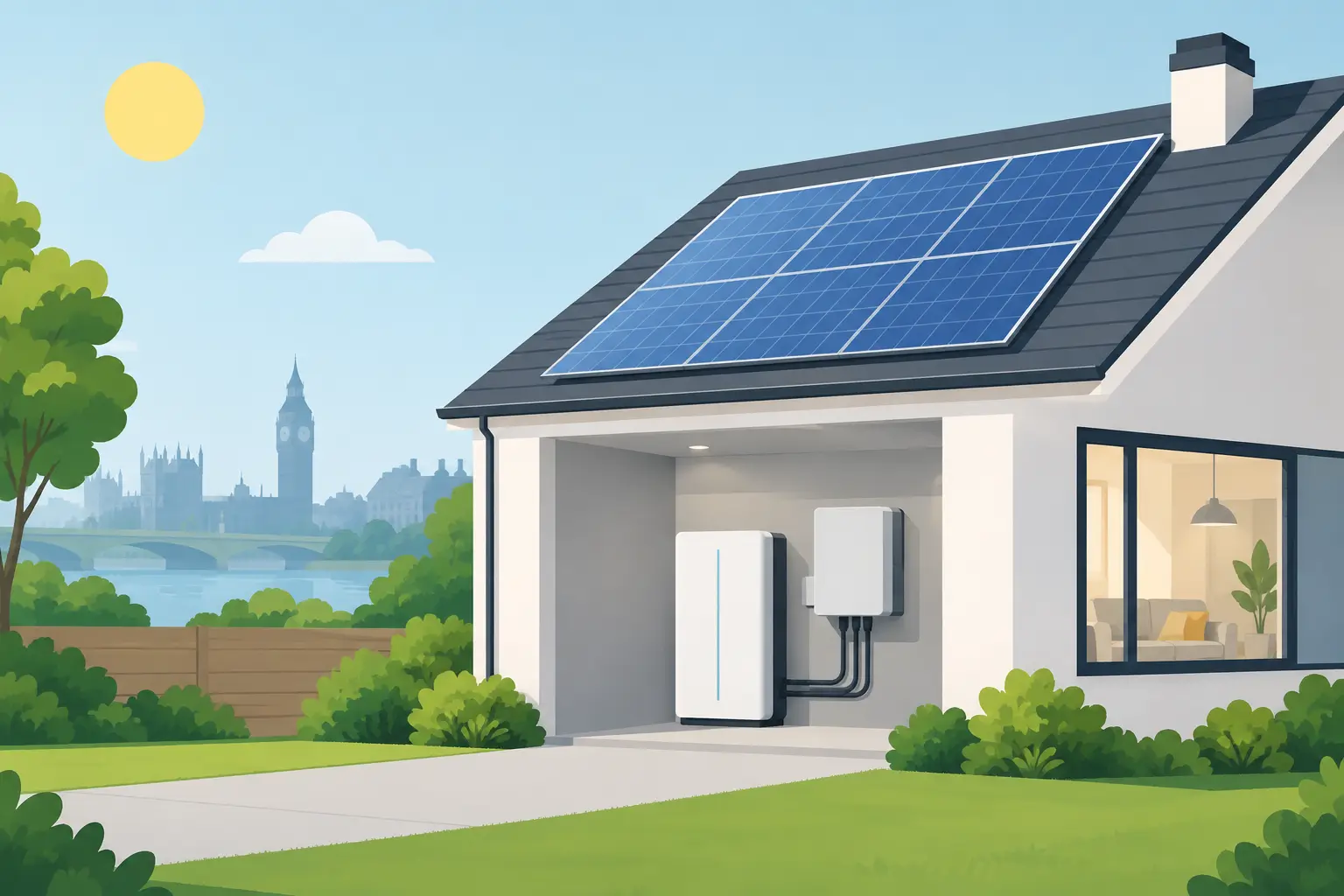
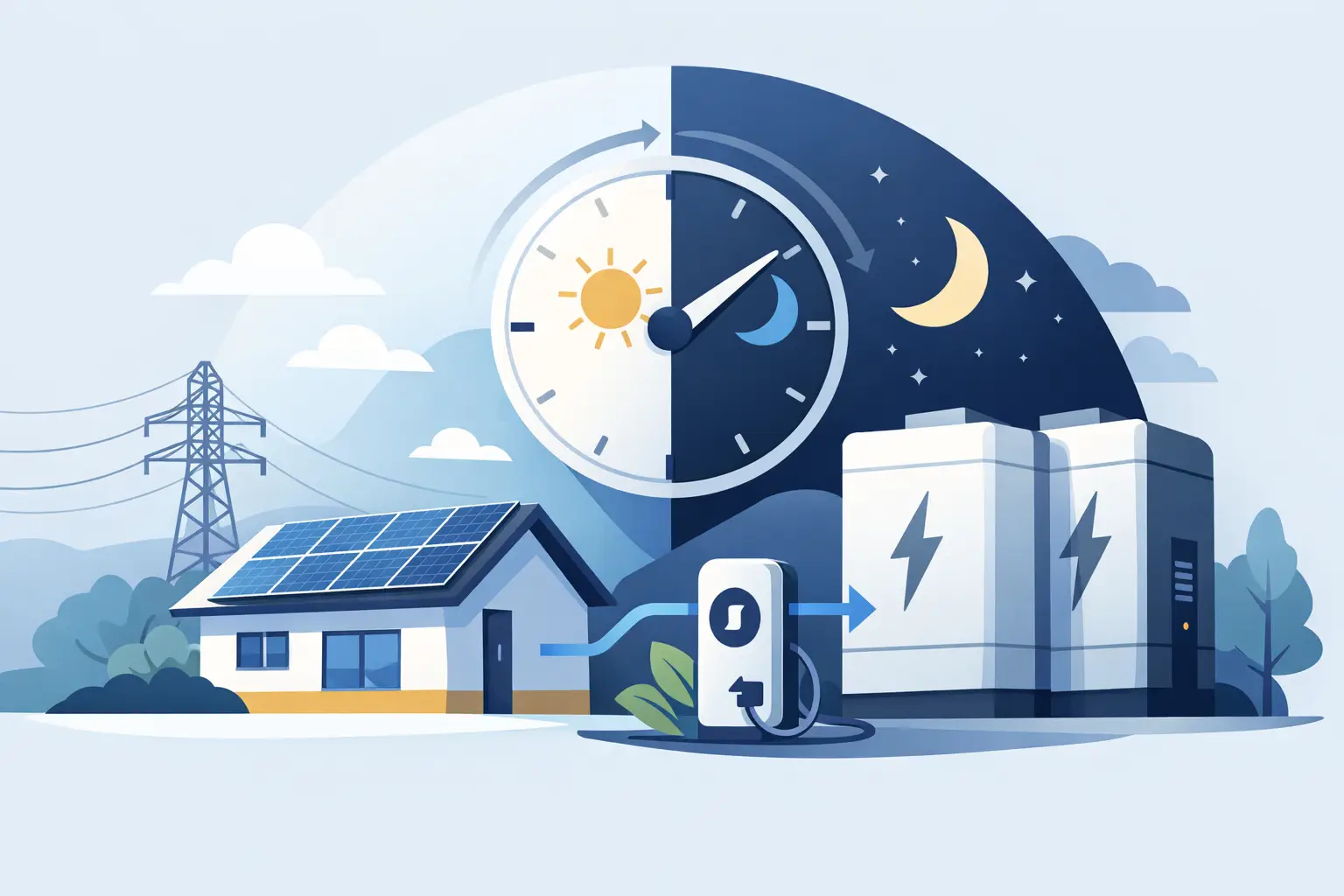
A domestic battery stores electricity for later use. In this setup, the battery charges from the grid during your lower-rate overnight period. When the off-peak window ends and electricity becomes more expensive, the battery supplies power back to the home.
That means your kettle, lighting, fridge, broadband router and daytime appliances can draw from stored electricity instead of the higher daytime rate, at least until the battery empties. The practical benefit is straightforward: you shift some of your consumption from expensive hours to cheaper ones without changing every part of your routine.
This is why people look up how to use battery storage with Economy 7 in the first place. They want lower bills, but they do not want a complicated system or a major alteration to the property.
What makes this setup worthwhile
The value comes from the gap between your cheaper overnight rate and your daytime rate. The wider that gap, the more potential there is to save. But tariff difference is only one part of it.
Your own usage pattern matters just as much. If your household uses a fair amount of electricity in the morning and evening, a battery can be particularly useful because those are often the periods when you would otherwise be paying the higher rate. If most of your electricity use already happens overnight, savings may be smaller because you are naturally consuming more during the cheapest hours anyway.
Battery efficiency matters too. No battery gives back every unit it takes in. Some energy is lost during charging and discharging. That does not mean the idea stops making sense. It just means the savings calculation should be based on realistic performance, not perfect lab numbers.
How to use battery storage with Economy 7 in practice
In a normal UK home, the process is fairly simple once the system is installed and configured correctly. The battery is programmed to charge during the off-peak window set by your tariff. That charging schedule is usually controlled through the inverter or battery management system.
When the lower-rate period ends, the battery stops charging from the grid. During the day, the system releases stored electricity to cover household demand. If your battery has enough usable capacity, it may support a large part of your daytime usage. If demand goes beyond what the battery can provide, your home then imports the extra electricity from the grid as normal.
The key is making sure the battery is set up around your tariff times, not generic assumptions. Off-peak hours can vary depending on your supplier, meter type and region. If the charging window is wrong, even by an hour, you can lose part of the benefit.
This is also why professional setup matters. A properly installed system should be commissioned with your tariff structure in mind so it charges when electricity is cheap and avoids unnecessary charging at expensive times.
Choosing the right battery size
Battery size is one of the biggest factors in whether the system feels useful day to day. Too small, and it may run out early, leaving you buying more daytime electricity than expected. Too large, and you may be paying for storage capacity you rarely use.
The right size depends on your household’s typical daytime consumption rather than your total annual use alone. A home that uses most of its electricity in the evening after work has a different profile from one occupied all day. Looking at your meter data or half-hourly usage, where available, gives a much clearer picture.
In general, the best result comes from matching battery capacity to the amount of electricity you realistically want to shift from night to day. That is more useful than buying the biggest unit available and hoping for the best.
Homes that usually benefit most
This approach tends to suit owner-occupiers in standard grid-connected homes who want bill savings without fitting panels. It can work especially well for households with predictable daily usage, rising electricity costs and a tariff that offers a meaningful overnight discount.
It is often a good fit for people who are at home during the day, families with regular evening use, and anyone who prefers a practical energy upgrade over a more disruptive home improvement project. It can also appeal to households that want more control over energy costs without constantly changing habits.
That said, it is not identical for everyone. If your home uses very little electricity during peak-rate hours, or if your tariff spread is small, payback may be slower. A good installer should say that plainly.
Common mistakes to avoid
The most common problem is assuming any battery will do. In reality, battery capacity, usable storage, inverter performance and charge control all affect results. Another mistake is focusing only on headline savings without checking whether your tariff times, household usage and battery settings actually line up.
There is also the question of backup expectations. Some homeowners assume a battery will automatically power the home during a power cut. That depends on the specific system design. Many tariff-optimised home batteries are installed primarily for bill reduction, not whole-home backup.
It is also worth remembering that your battery needs enough cheap-rate electricity time to charge properly. If the off-peak window is short and the charging power is limited, the battery may not always fill completely overnight. That does not make the system ineffective, but it can affect daily performance.
Installation and safety matter more than the sales pitch
Battery storage should be treated as a long-term part of your home energy setup, not a gadget purchase. The quality of installation, system commissioning and aftercare matter just as much as the hardware itself.
A properly specified system should be installed by qualified professionals who understand domestic electrical work, tariff-led charging behaviour and safe battery placement. You also want clear information on performance, warranty and what the system is designed to do in real household conditions.
That is where a straightforward adviser makes a difference. Volt Wiser Energy focuses on helping homeowners understand whether grid-charged battery storage is likely to save them money, without overcomplicating the decision.
What savings really depend on
Savings depend on four things more than anything else: the difference between your cheap and expensive unit rates, how much electricity you can shift, the efficiency of the battery, and the total installed cost.
If those four line up well, the numbers can be attractive. If they do not, the case becomes weaker. That is why generic promises are less useful than a proper estimate based on your home and tariff.
The strongest setups are usually the ones built around real household behaviour. When a system is sized sensibly and programmed well, it can reduce reliance on higher daytime rates without asking you to completely reorganise your life around the meter.
Is it complicated to live with?
For most homeowners, no. Once installed, the system should run quietly in the background. You may keep an eye on an app or monitor your usage from time to time, but the aim is not to create another household job.
A good setup should feel automatic. It charges overnight, supports your home during pricier hours and helps smooth out your electricity costs. The technology behind it is sophisticated, but the day-to-day experience should be simple.
If you are weighing up whether this route makes sense, the best place to start is not with technical jargon. It is with your bill, your tariff hours and how your home actually uses electricity across the day. When those pieces are understood properly, battery storage becomes much easier to judge on practical terms – and that is usually where the smartest decisions are made.